
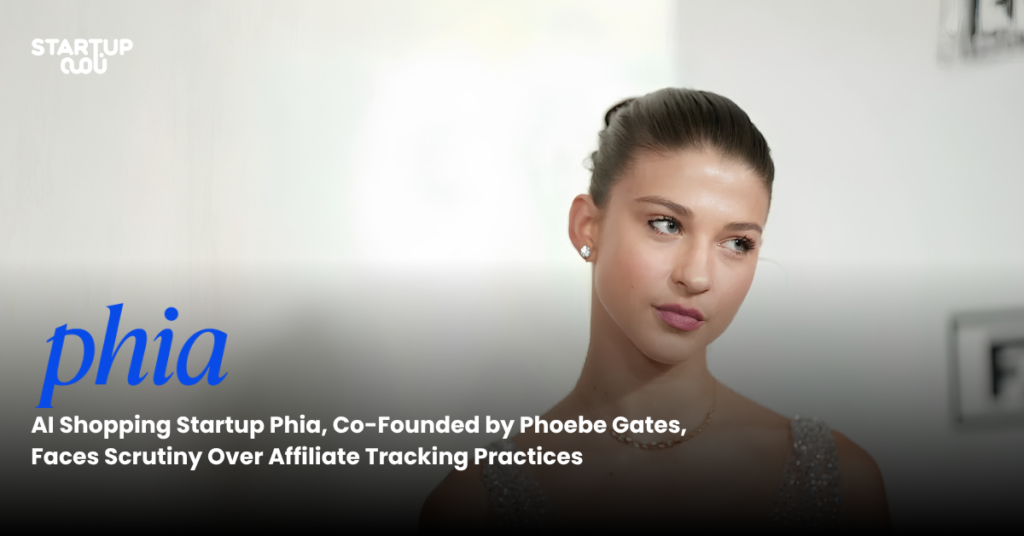
The digital affiliate marketing space is experiencing a moment of intense scrutiny following recent reports surrounding Phia, the heavily backed AI shopping assistant co-founded by Phoebe Gates and Sophia Kianni. According to an investigation first reported by Bloomberg, the startup has been accused of “cookie stuffing”, a practice involving the misattribution of affiliate sales commissions.
The Background
Launched in 2025, Phia positioned itself as a “Google Flights for fashion.” The browser extension and app were designed to act as an AI-powered shopping assistant, helping consumers compare prices, find secondhand alternatives, and automatically apply discount codes at checkout. The concept quickly gained traction, raising $43.5 million from high-profile investors including Kleiner Perkins, Khosla Ventures, and Notable Capital, reaching a reported valuation of $185 million.
The Allegations
The recent controversy centers on how the platform allegedly tracked and claimed credit for online sales. According to the Bloomberg investigation, independent testing conducted by affiliate marketing researcher Ben Edelman and competing extension Capital One Shopping suggested that Phia’s browser extension was opening hidden background tabs during the checkout process.
Reports allege that this mechanism allowed Phia to insert its own affiliate tracking codes just as a purchase was being finalized. In the affiliate marketing industry, this practice—often referred to as “cookie stuffing”—can overwrite the referral codes of other publishers (such as news outlets or other deal sites) or claim organic traffic, allowing the extension to collect a commission on a sale it did not meaningfully drive.
The Fallout and Company Response
Following the reports, major affiliate network Impact.com suspended Phia from its platform to investigate the matter.
Phia has strongly disputed any deliberate wrongdoing. In statements to the press, a company spokesperson attributed the tracking discrepancies to an unintended bug introduced during a recent software update, noting that the issue was identified and patched shortly after the company was notified. Bloomberg’s subsequent testing confirmed that the extension no longer automatically replaced referral codes.
However, independent researchers have publicly challenged the characterization of the issue as a simple software glitch, pointing to specific features in the extension’s code.
What This Means for the Ecosystem
For the startup community, the situation highlights the complex mechanics of affiliate revenue models and the rapid operational scrutiny early-stage startups face once they achieve significant scale and funding. It also underscores ongoing industry-wide debates about attribution transparency, as digital platforms continue to tighten their policies against simulated or non-organic referral clicks. As Phia navigates its early growth stages, the immediate challenge will be rebuilding trust with both retail partners and affiliate networks.
If you want a breakdown of the timeline and the mechanics behind these affiliate tracking allegations, watch this Firstpost report on the Phia controversy. This video is relevant because it provides a clear, chronological overview of the independent testing findings and the subsequent suspension of the startup’s affiliate accounts.
You may also like
-
OpenAI’s AI Models Broke Out of Their Cage and Hacked Hugging Face. Here’s What Actually Happened.
-
BusCaro Just Hit Profitability. Here’s Why That Number Deserves More Attention Than It’s Getting.
-
Cloudflare Just Gave Every AI Agent Its Own Computer. Here’s Why That’s a Big Deal.
-
Oraan Raises Fresh Funding from Epic Angels to Bring Savings, Credit, and Gold to Pakistan’s Women
-
MENA, Pakistan & GCC Tech Roundup | Week of July 14-22, 2026